See onemind in 24 seconds
A short film about working with AI members: give them tasks, invite people and AI to your team, and keep using your own AI tools.
Blog
Thoughts on shared memory, connected teams, and the way we work with AI.
A short film about working with AI members: give them tasks, invite people and AI to your team, and keep using your own AI tools.
Turn a repeated AI mistake into a shared rule, then check that your other tools follow it.
Keep the request, decisions, and shared changes together when another teammate or AI tool takes over.
Give each product its own AI rules while keeping the team’s shared rules together.
Share your agency's working rules while keeping each client's voice and files in their own work folder.
Give AI tools the same product writing rules, then check each market’s pages against your catalogue.
Keep each product’s fee rules separate, share approved wording with your AI tools, and check every draft against the fee table.
Keep the story rules, naming decisions and file changes together when you move a dialogue task from Codex to Cursor.
Keep one approved set of brand rules for Claude Code, Codex and Cursor, and check each new draft before you use it.
Give your AI tools the same coding rules, then check the code, tests and changelog yourself.
Keep your team’s AI rules in one place, approve changes, and check each tool’s next result.
Compare shared team instructions, agent workspaces, memory infrastructure and native AI-tool rules before choosing a workflow.
What Apple’s design guide can teach us about giving AI clear rules.
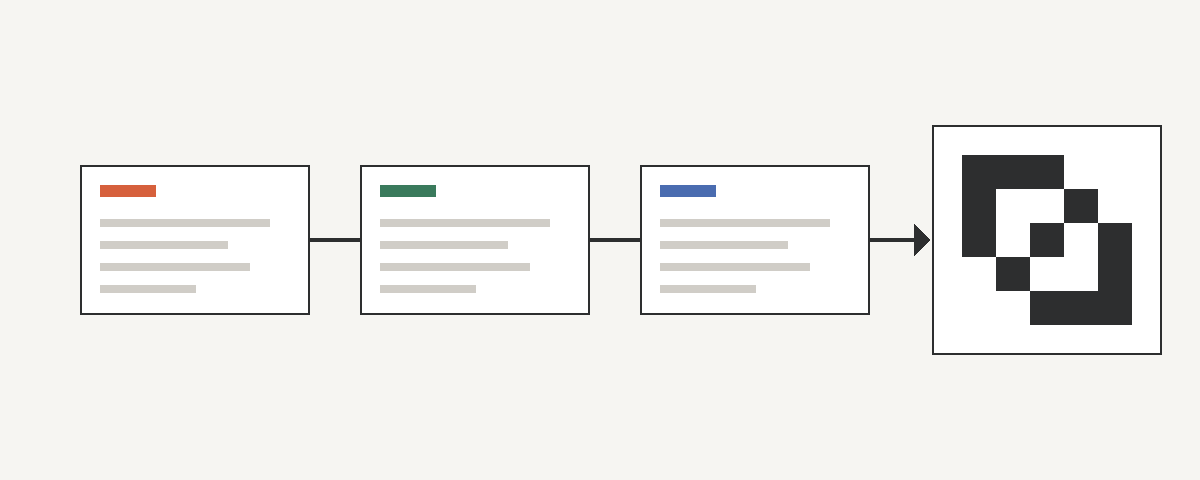
Choose a shared source, keep tool-specific scope explicit, and verify that a correction helps the next task.
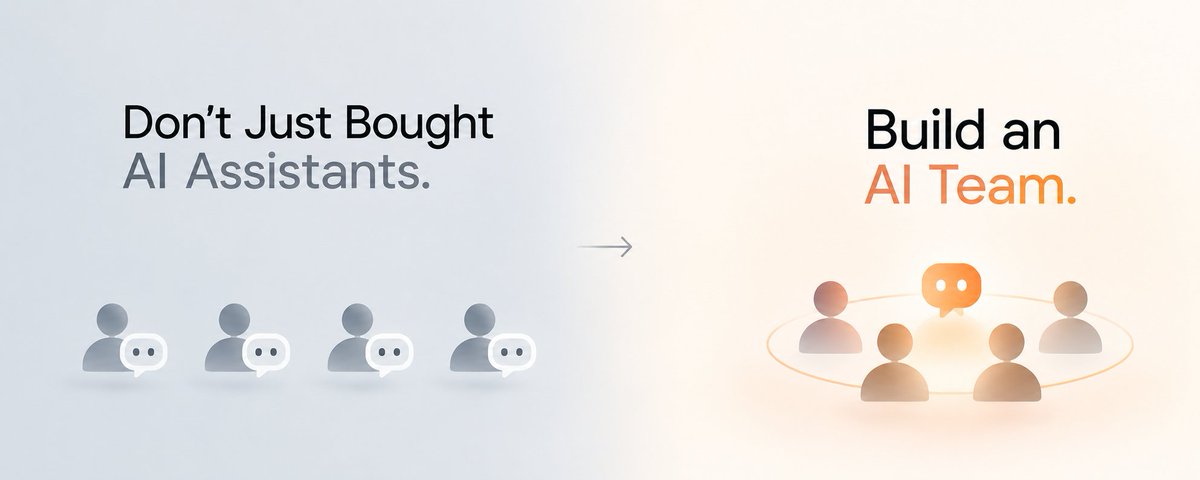
You gave AI to the people in your team. You didn’t necessarily make AI part of the team.
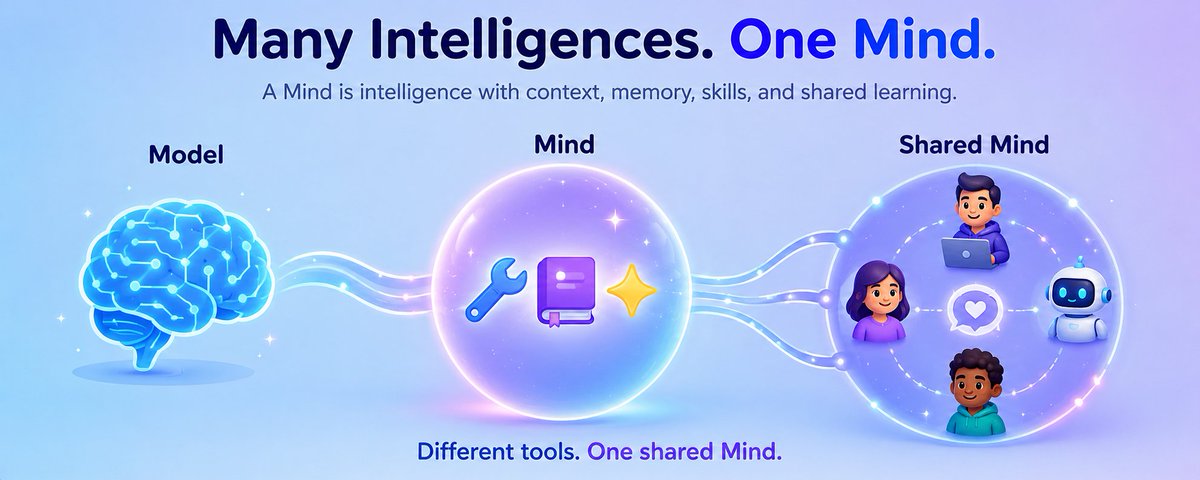
We start with a model, then give it a shell. We add system prompts, tools, skills, memory, files, workflows, harnesses, and ways to learn from previous work.
Illustrative stories follow people from a concrete work problem through the decisions, tool changes, safeguards, and consequences of using the complete future onemind product.
Composite future scenario · Not a current customer claim or MVP description
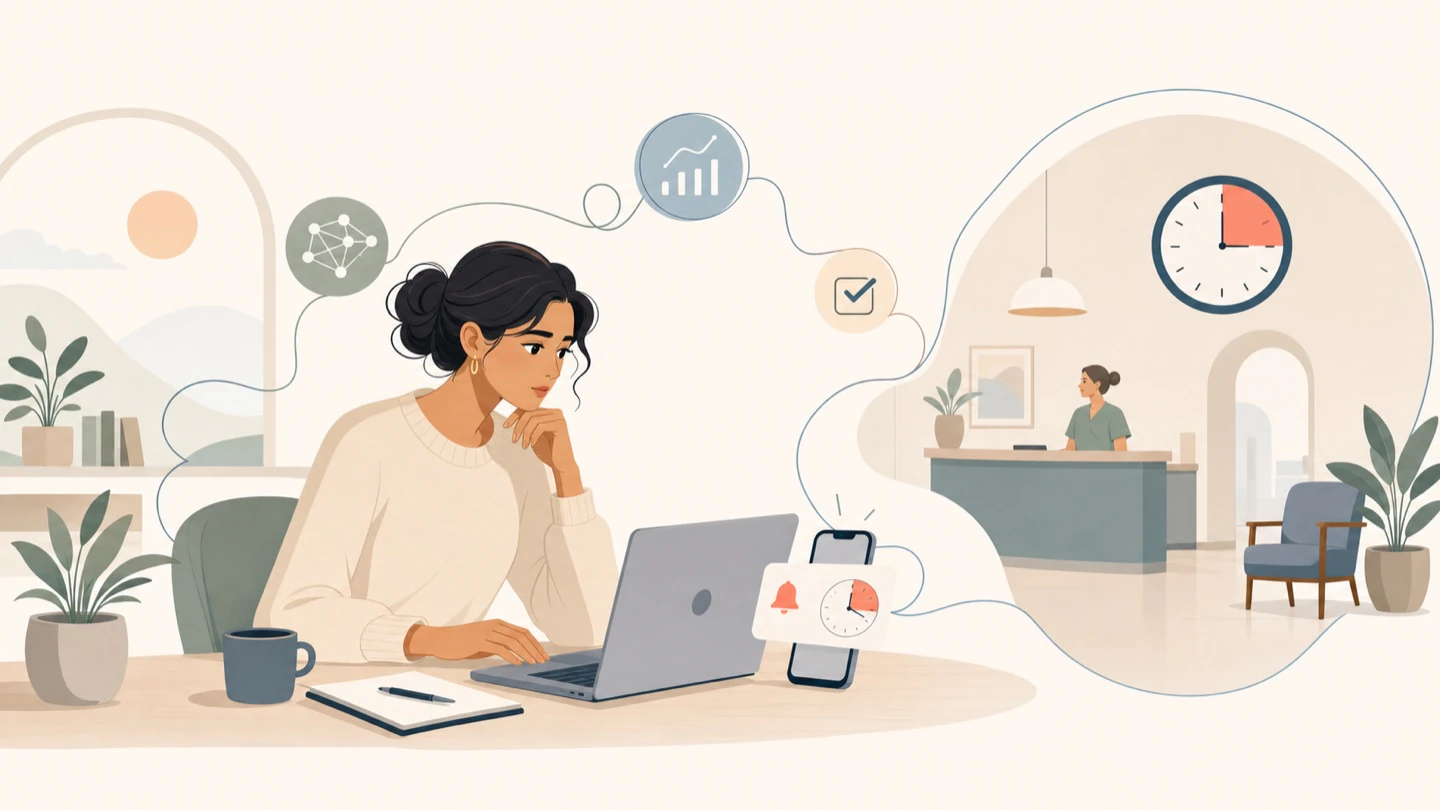
A wrong-time clinic reminder forces a solo founder to turn one painful migration lesson into safeguards shared by every AI tool.
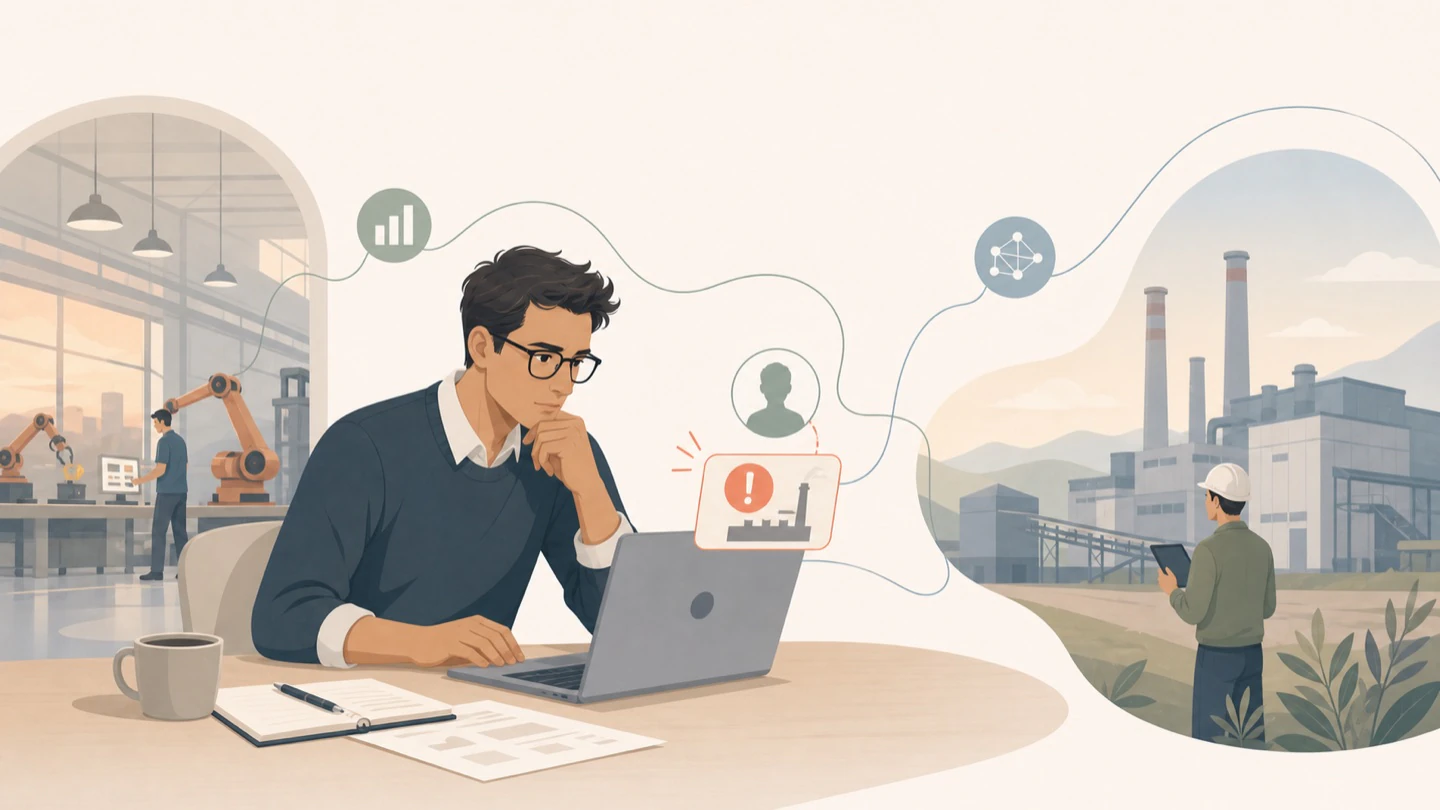
Twelve minutes before delivery, Jon finds another client's name in a report—and rebuilds his AI workflow around evidence and isolation.
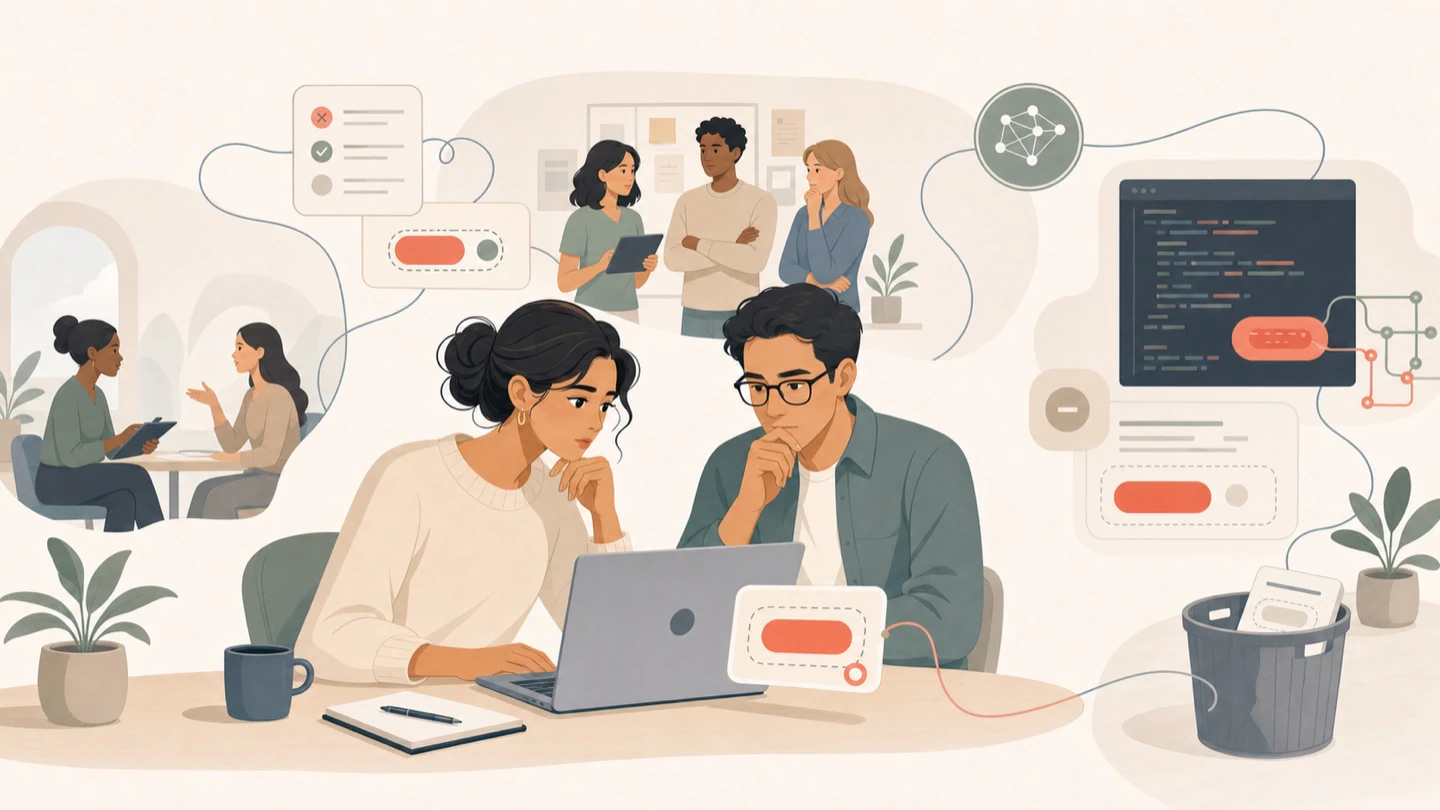
A clean pull request revives a feature the team already rejected, revealing that code can be current while product judgment is stale.
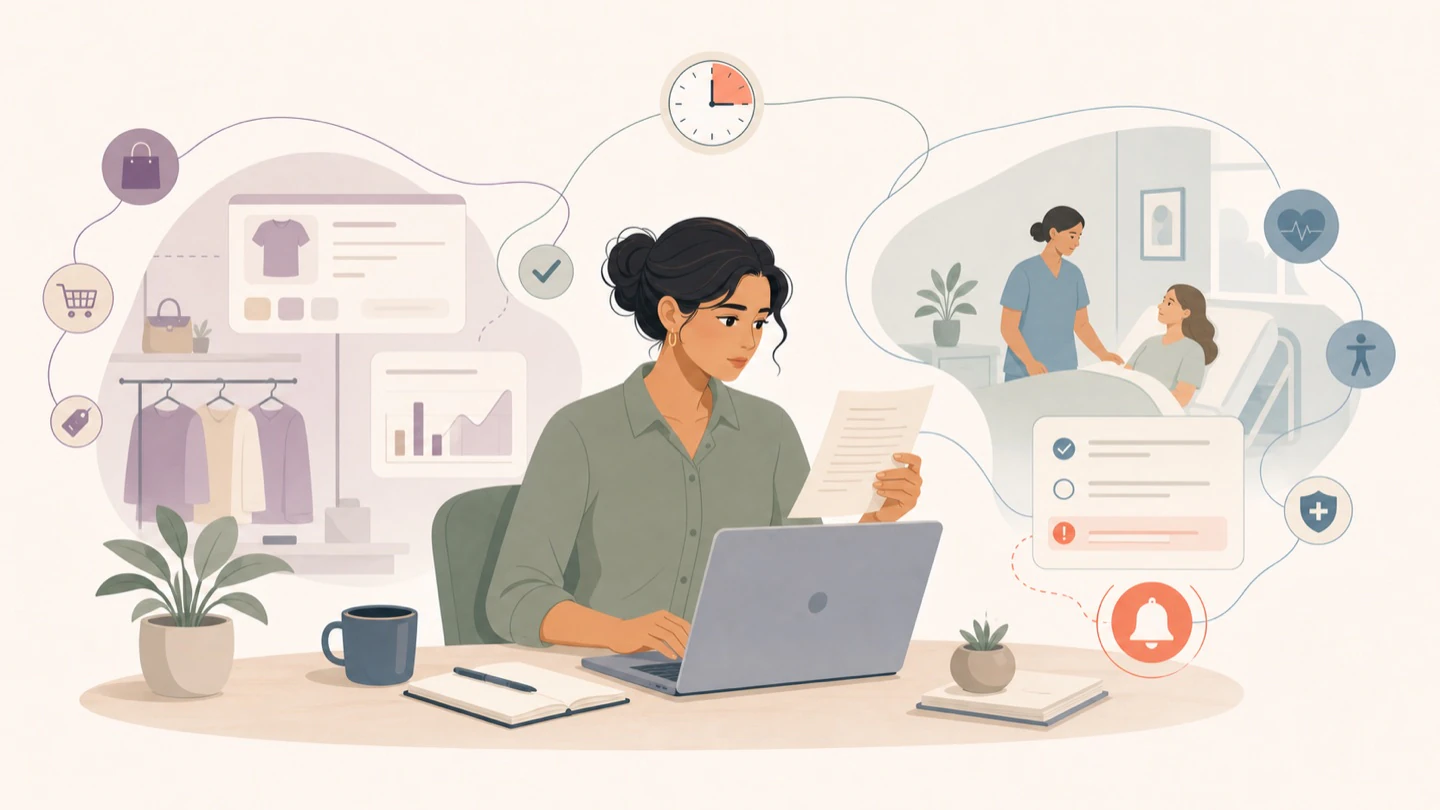
An urgent healthcare audit moves Elena off a retail client on Monday morning, without letting either client's context follow her incorrectly.
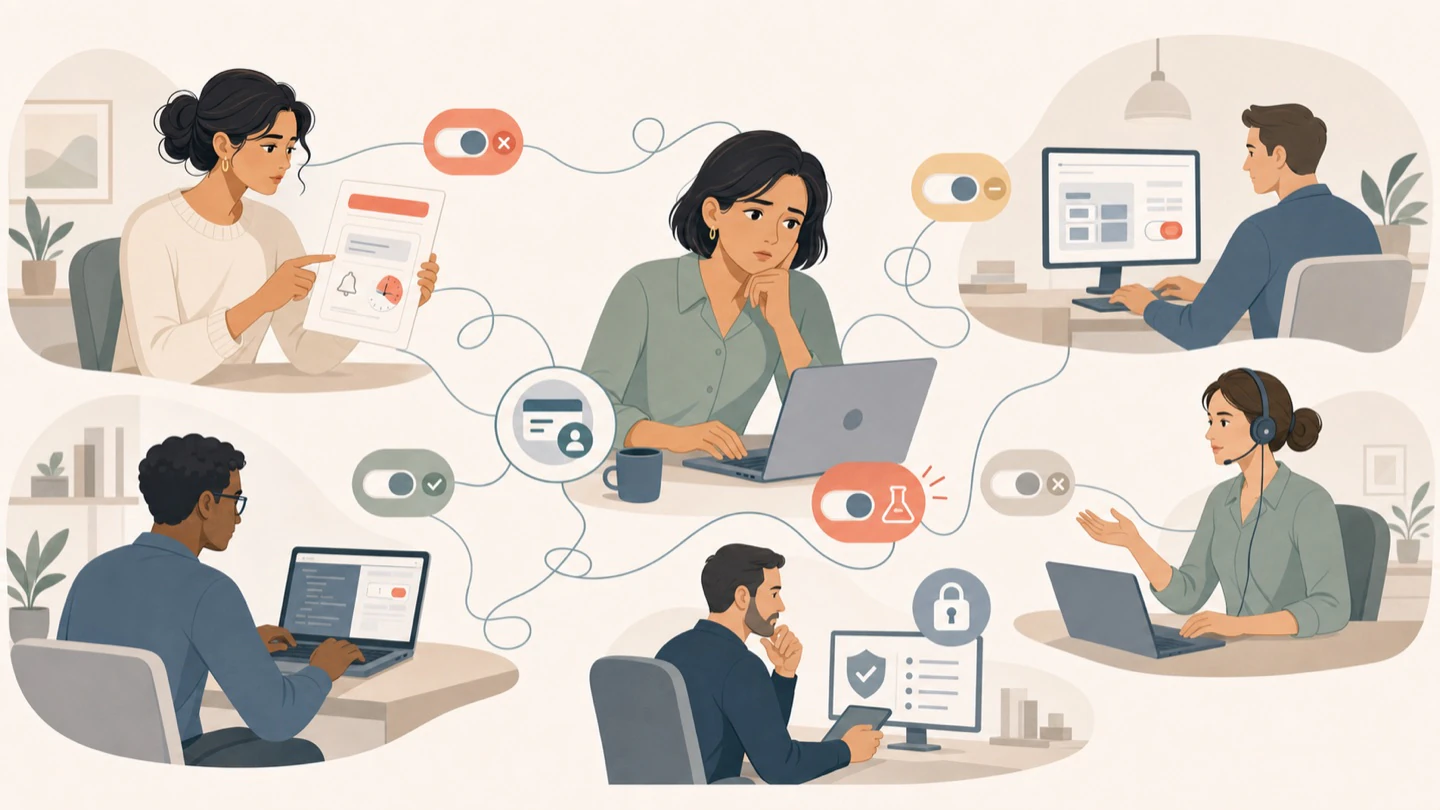
A beta billing feature becomes generally available inside a sales assistant before it becomes generally available to customers.
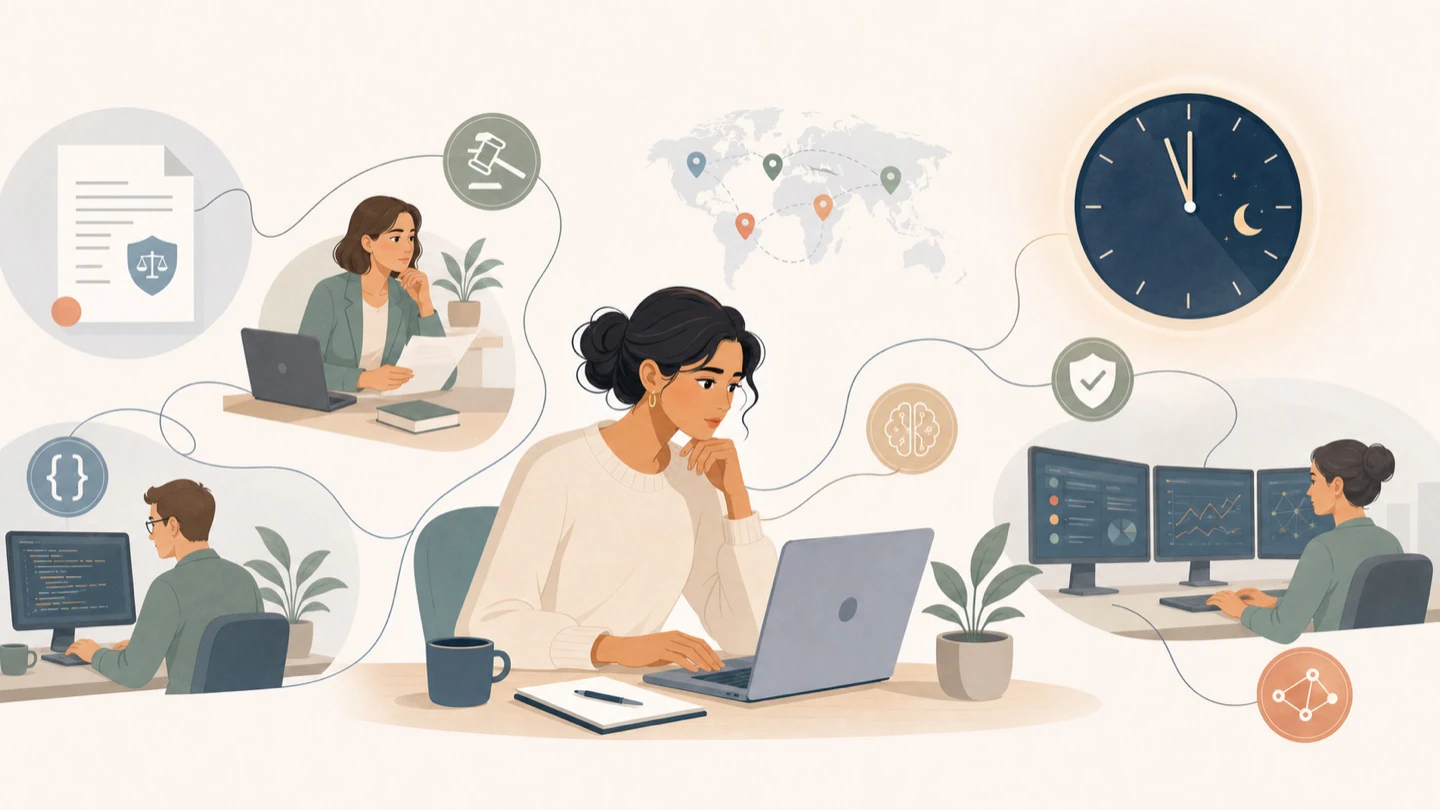
One regulatory interpretation must become fourteen coordinated operational changes at midnight—without one approval pretending to authorize them all.
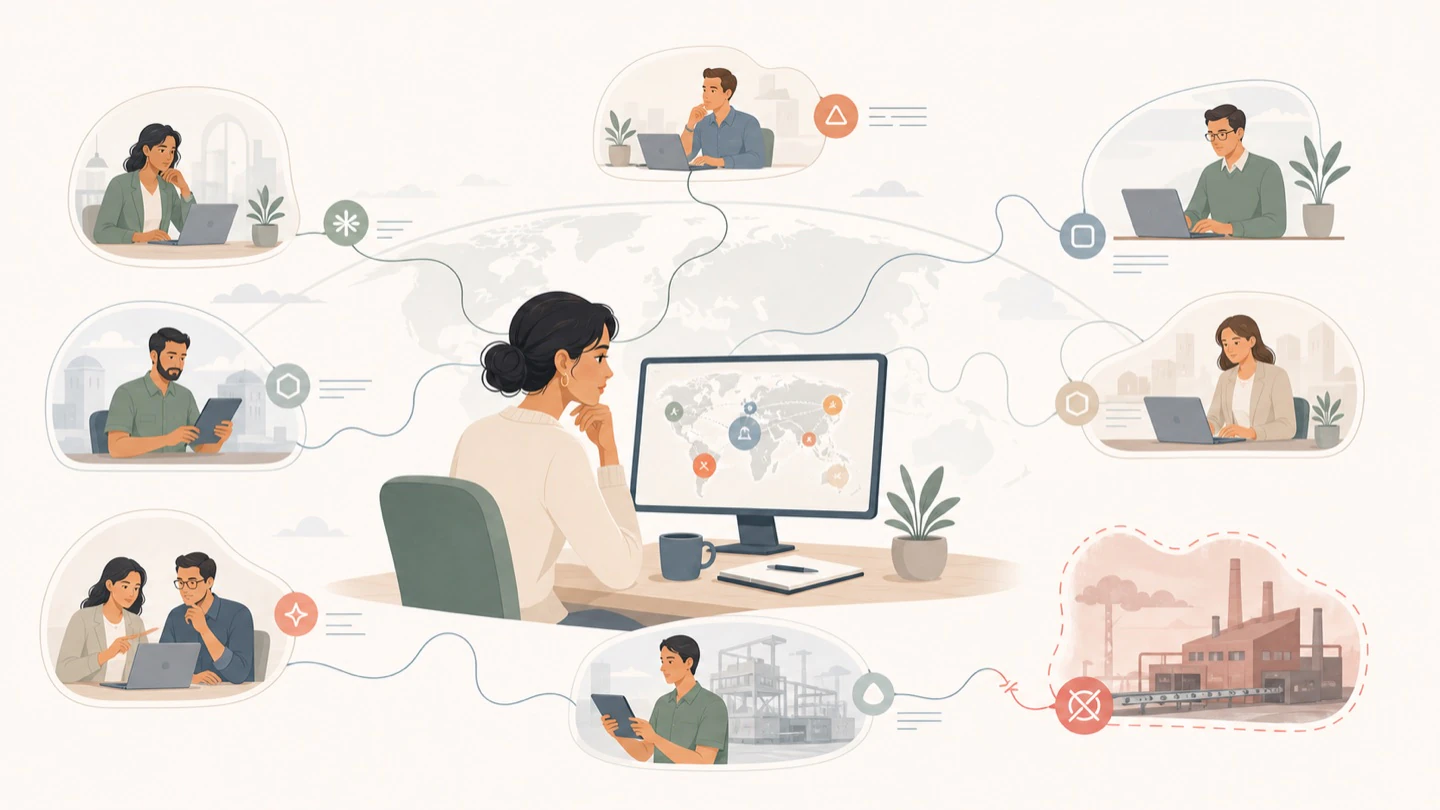
One supplier-security change has to cross twelve countries, eleven languages, acquired businesses, different AI vendors, and offline factories.
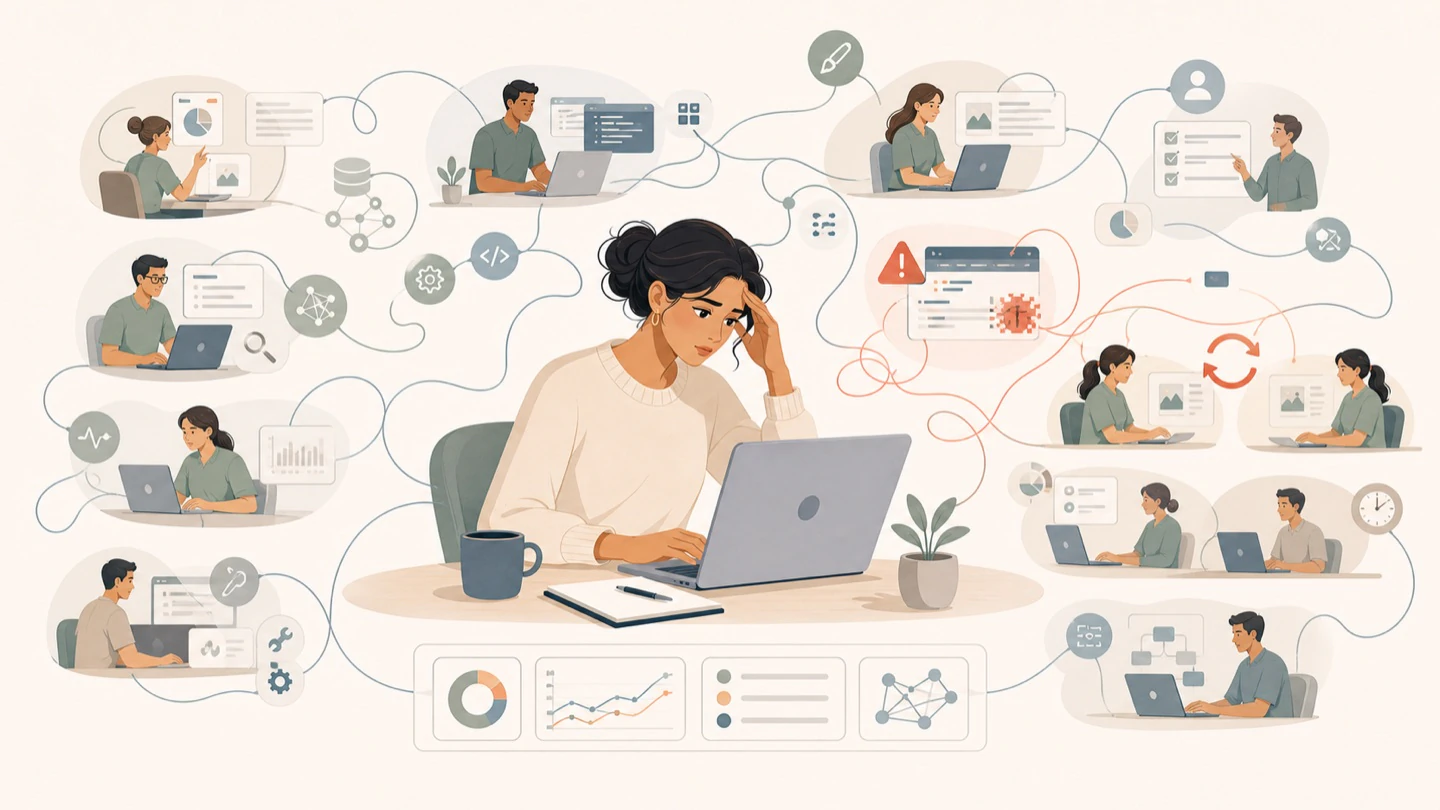
Amara is the invisible eighty-first worker, spending each morning coordinating agents that repeat failures and hide stale context inside successful runs.