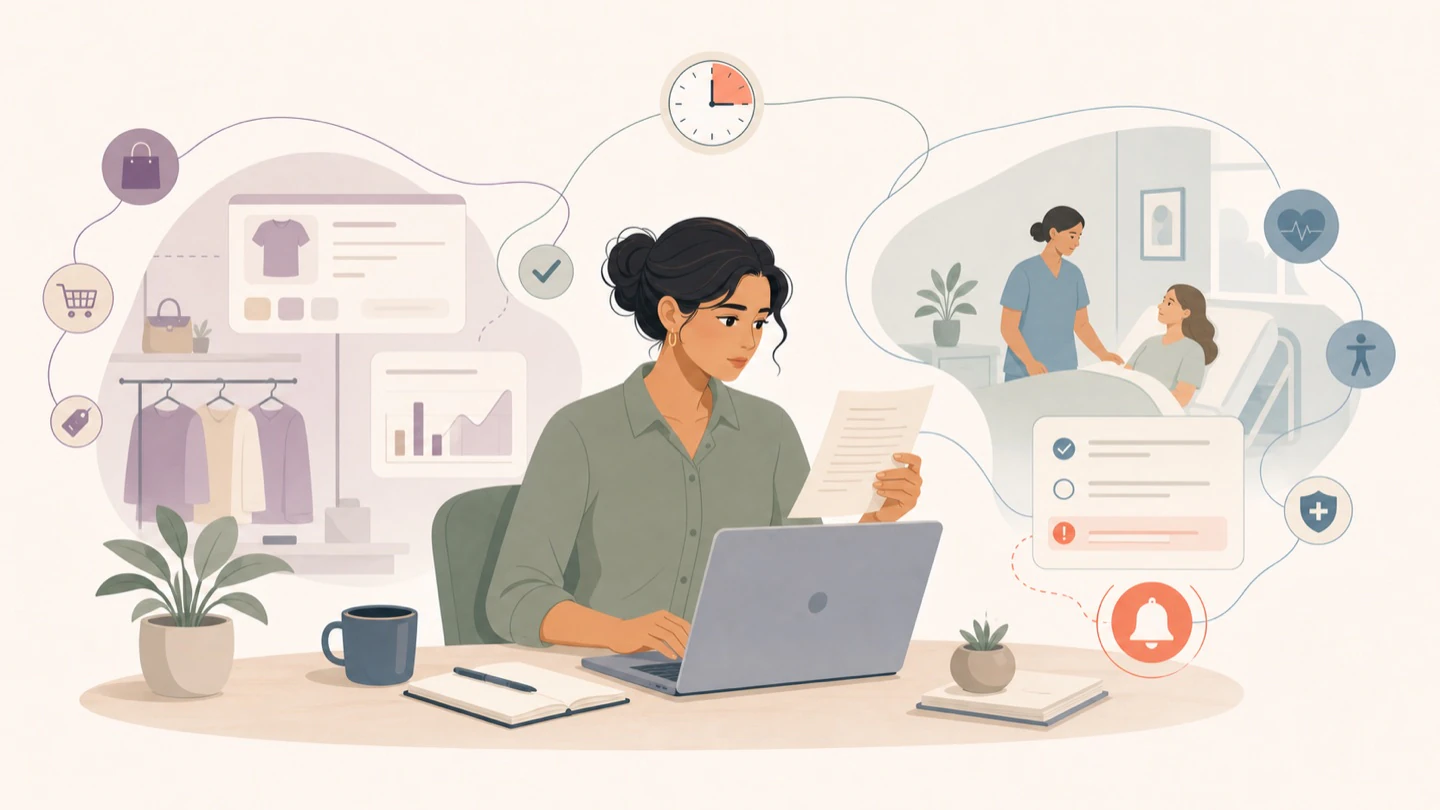
At 4:30 on Friday, Harbor Labs learned that a healthcare client needed an accessibility fix before an audit the following week. The engineer who knew the system was ill. Elena had finished a retail release that afternoon and was the only available developer with the right frontend experience.
Before onemind, Harbor's delivery lead would have sent Elena a page of links, added her to several systems, and scheduled two hours with another engineer. Elena would have spent Monday reading old tickets while her AI tools continued using retail conventions. The healthcare client used a different component library, required evidence for accessibility decisions, and prohibited a dependency Harbor used elsewhere.
The delivery lead opened Elena's membership request in onemind. It specified the healthcare Project, developer role, two repositories, six-week expiry, and reason for access. The preview showed what Elena would inherit from Harbor—security baseline, code-review workflow, estimation practice—and what came from the client: design system, audit rules, supported-browser policy, definition of done, and failed approaches. Commercial documents and production patient data were excluded. The client owner approved the request.
On Monday at 8:45, Elena's local onemind app showed the proposed change. Her retail package would become inactive; the healthcare package would be added to Cursor, Codex CLI, and the repository's review hooks. An optional accessibility-testing plugin required a separate local installation approval. Elena reviewed the plugin publisher, version, permissions, and uninstall behavior, then approved it.
When she opened Cursor, a banner named the active client and Project. The session bootstrap summarized the audit deadline, current goal, architecture map, ready components, required evidence, and people responsible for design and compliance. It did not paste the entire client wiki into the prompt. Cursor could retrieve approved pages when Elena asked why a rule existed.
Her first plan proposed replacing the client's date picker with a popular open-source library. onemind retrieved a failed-approach entry from nine months earlier. The library's keyboard behavior could be patched, but it could not produce the audit evidence the client required without maintaining a private fork. The entry linked to the old evaluation and named the approved internal component. Elena changed the plan before generating code.
At lunchtime, a context warning appeared. Elena had opened the retail repository in another editor window. onemind did not inject the healthcare package there. It showed both active contexts and refused to make one package global across her machine. The retail window remained read-only from onemind's perspective until Elena deliberately reactivated that Project.
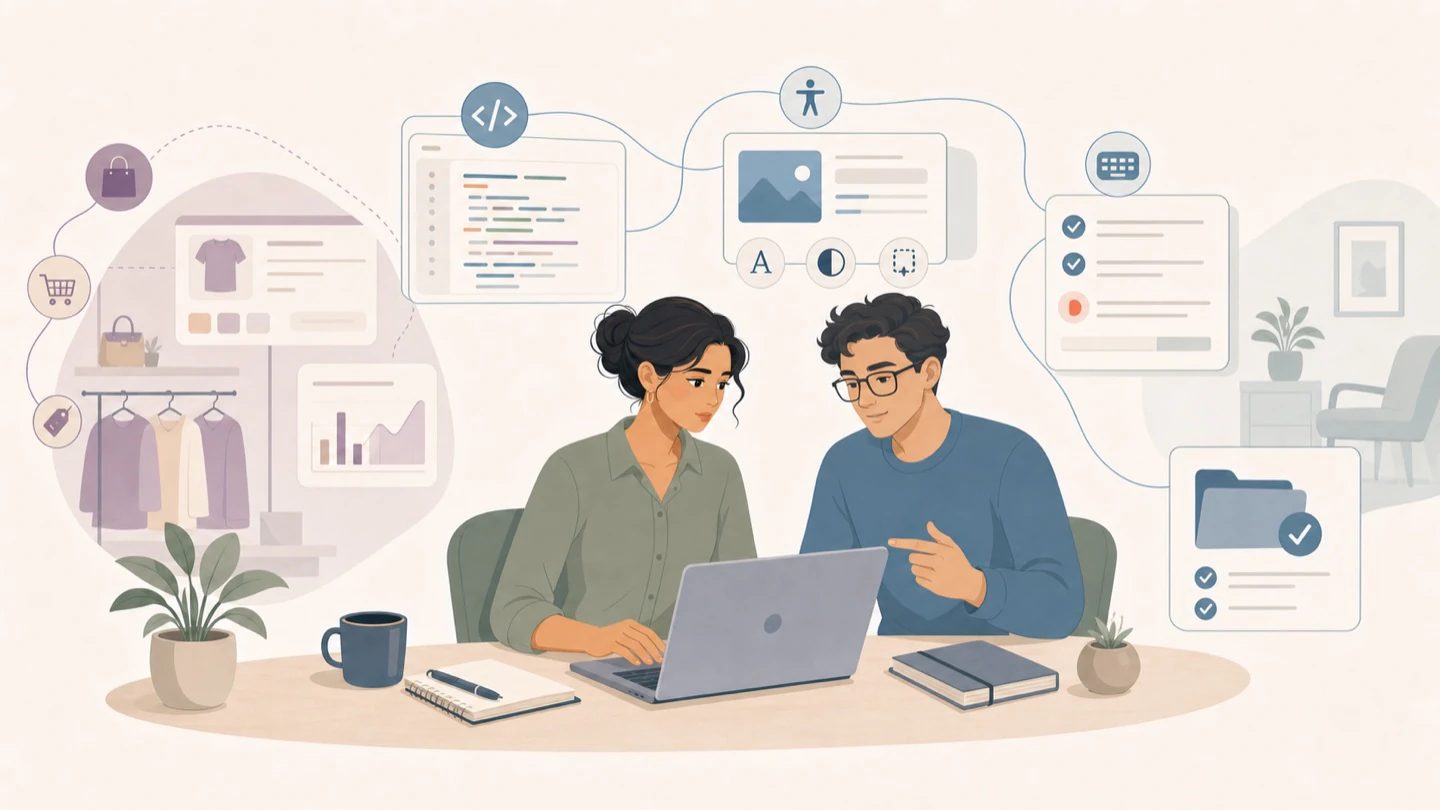
By 3:00 p.m., Elena opened a pull request. The review hook ran Harbor's standard tests plus healthcare-specific keyboard, screen-reader, contrast, and evidence checks. One check failed because the AI-generated pull-request description said “fully WCAG compliant,” a claim the client policy did not allow developers to make. The hook suggested factual wording describing the tests that had passed. Elena changed it and requested review.
The client engineer found one design issue but no violations of already documented standards. The fix reached staging Monday evening. On Tuesday, the audit owner approved the evidence package.
Six weeks later, Elena's membership expired. onemind stopped issuing new healthcare packages and asked her to remove the local plugin and cached retrieval index. The supported tools confirmed removal. A manually exported PDF could not be verified, so Elena had to attest that she deleted it. The closeout record showed the distinction.
Harbor did not reduce reassignment to zero work. The client owner still reviewed access, Elena still learned the product, and another engineer still answered a domain question. But she made a useful contribution within half a day instead of spending two or three days reconstructing context. More importantly, she did so without carrying retail rules into healthcare work or healthcare knowledge back into retail tools.